How to Start an EV Dealership in India: Investment, Margins & Your First 12 Months
The window is open right now. Here’s the real cost, the margins nobody talks about, and exactly what your first year looks like — no sugar-coating.
If you’ve driven through any Indian city this year, you’ve already seen it — the quiet rows of green-number-plate scooters at every traffic light. That’s not a trend anymore, it’s the default.
In July 2026, India registered over 2 lakh electric two-wheelers in a single month for the first time ever, an 88% jump over the year before, pushing EVs past 11% of all two-wheeler sales (FADA data). So if you’re asking how to start an EV dealership, the honest answer is simple: the people who set up in 2026 will own the customer trust and service revenue in 2028. This guide walks you through the real numbers — the setup cost, the margins, the mistakes — and what your first twelve months actually feel like on the ground.
Is an EV dealership in India worth it in 2026?
Numbers first. EV two-wheeler penetration has climbed from roughly 5–6% in early 2025 to 11.24% by July 2026. TVS, Bajaj and Ather lead the charts, but the fastest, quietest growth is happening in tier-2 and tier-3 towns — where a single well-run showroom often has no serious branded EV competitor within 15 km. That empty space is the opportunity.
A first-time dealer we work with set up a 900 sq ft showroom in a tier-3 Haryana town in early 2025. He was nervous — “petrol town hai, koi electric lega hi nahi.” Eighteen months later he moves 35–40 units a month and his service bay is booked out, simply because he was the only branded EV point people trusted. That first-mover position is the real asset, not the showroom.
How to start an EV dealership: the 6 steps
Electric scooters have the highest volume and the best repeat-service income. E-rickshaws need lower investment but serve commercial buyers. Most first-timers start with scooters.
This decision controls your margin, support and inventory pressure. Look for technician training, reliable spare-parts supply and marketing help — not just a logo.
PAN, Aadhaar, GST registration, a shop-establishment / trade licence and a current account. Nothing exotic — most of it you already have.
You don’t need a mall — you need a main road where commuters pass. Around 800–1,000 sq ft is enough for a standard scooter showroom with a small service area.
Branding, display units, a charging point, and a technician who understands the controller and battery management system (BMS). A bad first service kills word of mouth.
Test rides are your single biggest sales lever. Skeptical petrol buyers convert the moment they feel the instant torque. Give more rides, close more sales.
Electric scooter dealership cost in India
The figure you find online swings from ₹10 lakh to ₹1 crore because it genuinely depends on your city, showroom size and the brand’s format. Here’s where the money actually goes for a standard electric scooter franchise setup:
| Cost head | Typical range |
|---|---|
| Franchise / security deposit | ₹1.5 – 5 L |
| Showroom setup, interior & branding | ₹4 – 10 L |
| Opening inventory (vehicles) | ₹5 – 15 L |
| Tools, charger & service setup | ₹1 – 2 L |
| Working capital (salaries, rent, marketing) | ₹2 – 3 L |
| Standard total | ₹15 – 35 L |
Premium experience centres in metros can cross ₹50 lakh–₹1 crore. Figures are 2026 market estimates and vary by brand, city and format.
Low investment EV dealership: the sub-dealer route
Not everyone has ₹30 lakh sitting ready — and you don’t need it. A low investment EV dealership through a sub-dealership or agency model drops the entry point to roughly ₹10–15 lakh: smaller space, lower opening stock, and you lean on the main dealer or brand for after-sales support. It’s the smartest way to test a market before committing to a full EV franchise in India.
How much can you actually earn?
This is where most guides go quiet, so let’s be straight about it:
Roughly 8–12% per scooter. On a ₹1 lakh scooter that’s ₹8,000–12,000. Decent — but not where the real profit lives.
The long-term money. Every scooter comes back for service, brake pads, tyres. 500 units on the road = income that pays the rent in slow months.
Banks and insurers pay commission on every loan and policy you close. Helmets, mats, covers — small tickets, healthy margins.
For our Haryana dealer, vehicle margin mostly covers overheads — the actual profit comes from service and finance commissions. That’s the industry pattern: a well-run dealership hits break-even in 18–24 months.
Your first 12 months: a realistic timeline
Mistakes first-time dealers make
- Choosing a location for cheap rent over visibility. Footfall pays the bills.
- Under-hiring on service — one bad first service and word of mouth turns against you.
- Picking a brand only on margin, ignoring parts supply and real support.
- Skimping on test-ride units. No test rides, no conversions. Simple as that.
Ready to start your EV dealership?
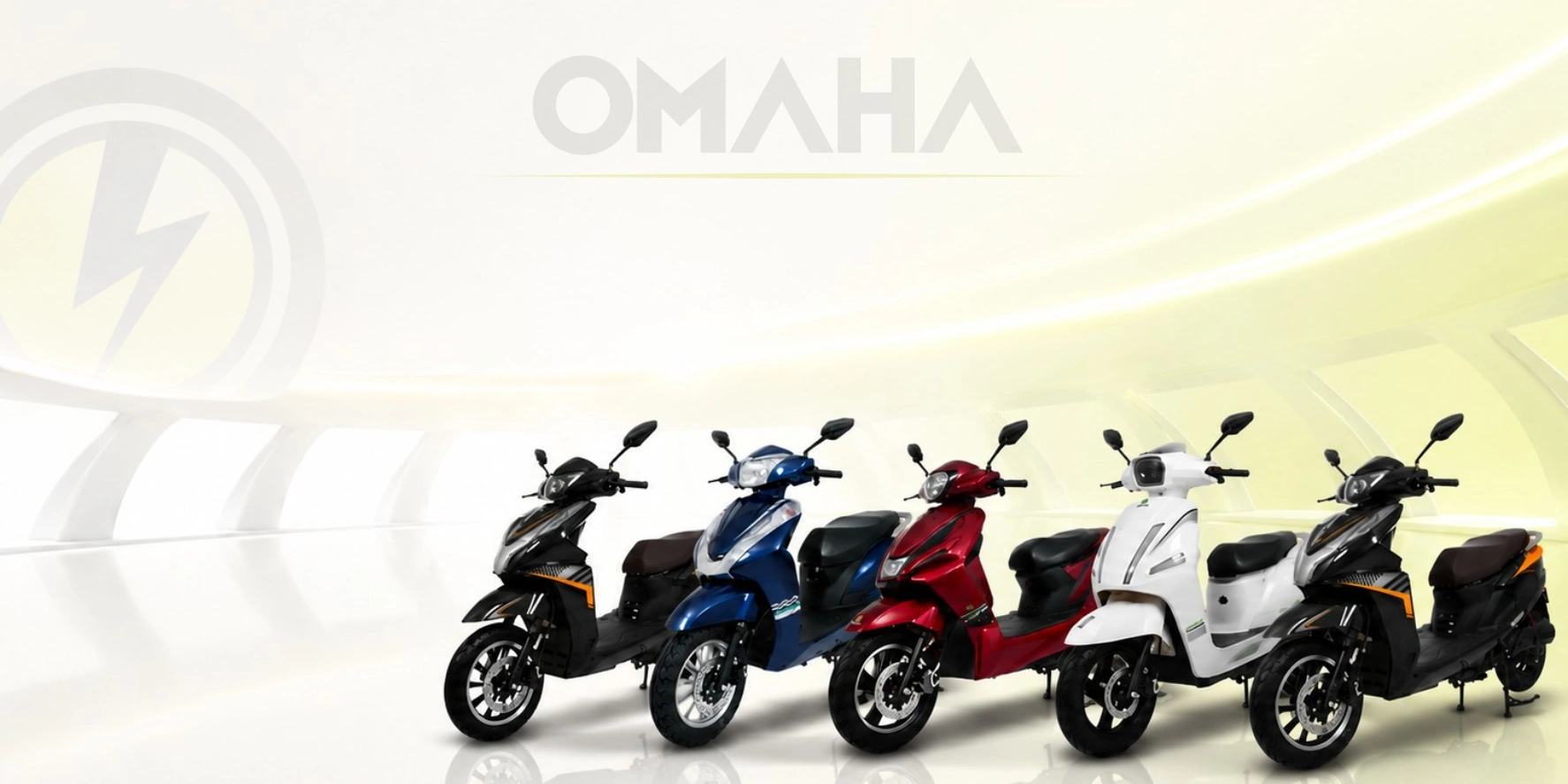
Omaha EV is opening dealer partnerships now — built for India’s tier-2 and tier-3 growth, with dealer training, reliable parts supply and marketing support behind you.
Apply for an Omaha EV DealershipConclusion
Starting an EV dealership in India in 2026 isn’t about catching a trend — the trend already arrived. It’s about claiming your spot before your town’s EV buyers pick someone else. Get the location right, respect the service side, choose a brand that actually backs you, and the first-mover advantage does the heavy lifting. If you’re serious, the best move is to register your interest with Omaha EV and get a plan built for your city.